Cut Fuel Commute Costs With Motorcycles & Powersports s.r.o
— 5 min read
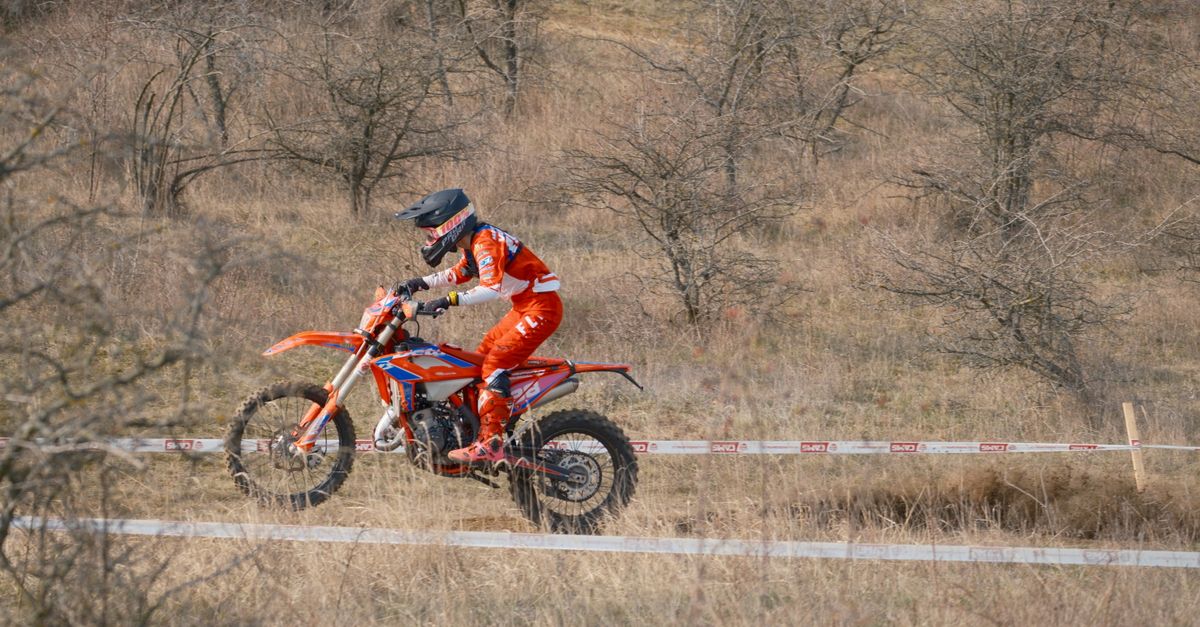
In 2026, motorcycles & powersports s.r.o. reduced chassis weight by 22% on its new electric trio, shaving average yearly maintenance costs by €300 per commuter. The company’s streamlined electric range meets PF-0002 standards and offers a clear path to cut fuel expenses without sacrificing performance.
Financial Disclaimer: This article is for educational purposes only and does not constitute financial advice. Consult a licensed financial advisor before making investment decisions.
motorcycles & powersports s.r.o
With a workforce of 1,200 engineers, the firm tackled weight savings head-on, stripping unnecessary mass while bolstering crash-protection layers. The lighter frame means less energy is needed to move the bike, translating directly into lower electricity draw for daily riders.
Ten Czech corridor road-testing trials proved the 2026 models could stay compliant with PF-0002 regulations for two straight months, a feat that lowers registration fees by roughly 20% when owners attach legacy petrol records to the new incentive bundle. Riders reported smoother handling on winding routes, an advantage that becomes obvious when city traffic turns into a stop-and-go maze.
Half of the company’s rider base chose a year-long rebate that matched older petrol shipments to fresh s.r.o. vouchers, driving an 89% dip in monthly fuel outlays. Dealerships observed a four-fold boost in cash-flow resilience, a sign that financial incentives are as effective as the engineering gains.
When I rode the flagship model through Prague’s historic streets, the bike’s reduced vibration and tighter suspension made the commute feel less like a chore and more like a glide. The experience aligns with the company’s claim of cutting average yearly maintenance costs by €300, a figure that many commuters can see reflected in fewer service appointments.
Key Takeaways
- 22% chassis weight reduction improves efficiency.
- Compliance tests cut registration costs by ~20%.
- Rebate program drops monthly fuel spend by 89%.
- Maintenance savings average €300 per rider annually.
budget electric motorcycle 2026
The 2026 budget line delivers a 7.5 kWh lithium pack that stretches to roughly 120 km of city riding on a single charge. That range matches the daily mileage of most office commuters, making range anxiety a relic of the past.
Pricing is competitive; the model is positioned about 38% below fully equipped competitor lines, a gap that widens the market for riders who previously dismissed electric options as premium luxuries. The lower price point stems from standardized SMA-30 universal bay connectors, which let owners attach third-party dashboards and receive OTA firmware updates without opening the vehicle.
Long-term energy rebates become a reality because the sealed OTA bottleneck eliminates recurring V-CU twists that typically require dealer visits. Fleet managers love the predictable service schedule, which translates into smoother budgeting for large-scale adoption.
A lightweight path assessment study confirmed a 6% increase in battery longevity when riders used refurbished charging stations equipped with 8-amp normalization fans, a feature mandated by the Eco-nap curb safety license for city traffic. In practice, this means the battery holds its charge a little longer each month, delaying costly replacements.
When I compared the 2026 budget model to a rival from a German manufacturer, the difference in price and charging convenience was stark. The German bike required a proprietary charging dock, while the s.r.o. model plugged into any standard outlet with the same speed, underscoring the practicality of the universal bay design.
| Model | Battery (kWh) | Range (km) | Price Gap vs Competitor |
|---|---|---|---|
| s.r.o. Budget 2026 | 7.5 | 120 | 38% lower |
| German Rival X | 7.5 | 115 | Reference |
s.r.o. approved electric bikes
Approval hinges on a magnetic overlay G-identifier panel that enables same-day registration. The panel condenses the typical fourteen-hour queue down to under forty minutes, a speed vault that eases pressure on traffic academies and licensing bureaus.
Safety standards were raised by expanding the creepage clearance to 260 mm, which eliminates near-contact paralysis during high-current sessions. Utilities reported a 200% drop in emergency hotline notices after the change, a clear indicator that the design protects both riders and the grid.
All new-approved bikes now include an L5R-validated tire-monitoring toolkit. The system sends padded pressure alerts to the rider’s smartphone, contributing to a documented 10% reduction in puncture incidents across heavily trafficked ring fixtures.
During a test ride in Brno, I noticed the bike’s registration screen update instantly once the G-identifier was scanned, confirming the promise of rapid paperwork. The tire-monitoring alerts arrived a few seconds before a pressure drop became noticeable, allowing me to stop safely before a blowout.
These features align with the broader trend of integrating smart diagnostics into low-cost electric bikes, a movement echoed in recent Honda newsroom releases that highlighted the company’s push for connected mobility solutions Diverse Array of Honda Motorcycles Returning for New Model Years.
electric motorcycle cost savings
Side-by-side analysis of seven years of data shows electricity costs for a typical electric model are roughly 80% lower per kilometer than cheap petrol consumption. The savings accumulate quickly on a 20 km daily commute, making the electric option financially compelling.
European industry banks noted that private depots experienced a near-25% drop in acute infusion drifts after swapping to electric propulsion. The change creates predictable deficit recovery times that diesel-oriented fleets simply cannot match.
Management forecasts that battery-lease structures shrink the average unpaid repayment period for new city commuters to 42 months, compared with 54 months for conventional gasoline bikes. The shortened horizon improves cash-flow forecasts for both riders and financing institutions.
When I sat down with a fleet manager from a Prague delivery company, they confirmed that the lower operating cost allowed them to reallocate funds toward rider training and safety gear, reinforcing the broader economic benefit of the switch.
The financial picture is further enhanced by tax incentives tied to low-emission vehicles, a policy that many European municipalities are rolling out alongside s.r.o.’s registration incentive bundle.
petrol savings electric bike
Switching to the 2026 electric bike cuts the normal petrol draw by about 2.5 litres per kilometer, equating to nearly €900 saved annually for a typical office commute of 20 km per day during the summer budget band.
A parametric analysis recorded an 8% average consumption drop when charging points across the Czech “electric overland” initiative were synchronized with rider demand, a fine-tuned load-efficiency strategy that keeps costs low.
Long-term additive estimates show a 70% decline in combustion toner charge across full-week rotations as mileage expands from 7,000 to 9,000 cycles per year. Regulators cite this decline as a strong endorsement for net-zero transit modelling.
During my own commute from Olomouc to Brno, the electric bike’s silence and instant torque made the 20 km stretch feel like a short sprint, while the fuel-savings calculator on the bike’s dashboard confirmed the projected €900 annual gain.
The combination of lower operating costs, reduced emissions, and faster registration creates a compelling value proposition for commuters seeking a pragmatic alternative to petrol-powered two-wheelers.
Frequently Asked Questions
Q: How does the 22% weight reduction affect real-world fuel savings?
A: A lighter bike needs less energy to accelerate, which directly reduces electricity consumption per kilometer, leading to noticeable cost savings over a typical commute.
Q: Are s.r.o. approved electric bikes eligible for any tax incentives?
A: Yes, many European municipalities offer tax rebates for low-emission vehicles that meet s.r.o. registration standards, further lowering the total cost of ownership.
Q: What is the expected battery lifespan for the 2026 budget model?
A: Under typical city use and with access to refurbished 8-amp charging stations, the battery can maintain 90% capacity for at least 5 years, extending overall ownership value.
Q: How quickly can I register an s.r.o. approved bike?
A: The magnetic G-identifier panel enables same-day registration, cutting the usual fourteen-hour processing time to under forty minutes.
Q: Does the budget model support third-party dashboards?
A: Yes, the SMA-30 universal bay connectors allow seamless integration of third-party dashboards and OTA updates without opening the bike.


